

The COVID-19 pandemic disrupted nearly every industry, but few felt the immediate impact as profoundly as residential construction and real estate development. For Brookfield Residential, a leading North American homebuilder, the coronavirus crisis presented unprecedented challenges: halted construction sites, disrupted supply chains, shifting buyer behaviors, and the urgent need to protect employees and customers. From the initial lockdowns in 2020 to the recovery years that followed, the company’s response demonstrated resilience, innovation, and a steadfast commitment to safety and community. By 2025, Brookfield Residential had not only weathered the storm but had adapted in ways that strengthened its operations and positioned it for long-term success.
This in-depth article examines Brookfield Residential’s coronavirus journey in detail—covering safety protocols, operational adjustments, financial strategies, digital transformations, and lasting changes to home design and community planning. With comprehensive analysis, biographical tables, key timelines, FAQs, and a forward-looking conclusion, it provides a complete picture of how one major builder turned crisis into opportunity.
Related Post: Tara Yummy: Height, Early Life Bio/Wiki And More
Brookfield Residential: Company Overview and Pre-Pandemic Foundation
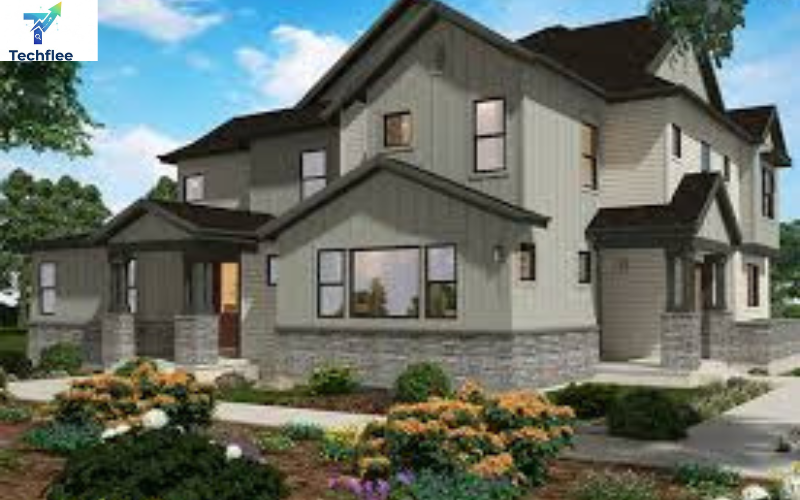
Brookfield Residential has been shaping communities across the United States and Canada for over six decades. Established in 1956 as part of the broader Brookfield family of companies, it specializes in land development, single-family homes, townhomes, condominiums, and master-planned communities. The company operates in 14 major markets, including California, Texas, Colorado, Arizona, Ontario, and Alberta, delivering homes that emphasize quality, sustainability, and livability.
Backed by the financial strength of its parent, Brookfield Corporation, the residential division combines local market expertise with global resources. Before the pandemic, Brookfield Residential was already recognized for customer satisfaction, innovative design, and environmental responsibility, earning awards such as Green Builder of the Year in the Greater Toronto Area in recent years.
Here is a detailed company profile in table format:
| Category | Details |
| Company Name | Brookfield Residential |
| Founded | 1956 |
| Headquarters | Costa Mesa, California, USA |
| Parent Company | Brookfield Corporation |
| President & CEO | Alan Hamilton |
| Employees | Approximately 1,400 |
| Active Markets | 14 markets across the U.S. and Canada (including CA, TX, CO, ON, AB) |
| Core Business | Land development, homebuilding, master-planned communities |
| Notable Recognition | Multiple customer satisfaction awards; Green Builder of the Year (GTA) |
| Philosophy | Building the best places to call home |
This strong foundation proved critical when the pandemic struck.
The Arrival of COVID-19: Immediate Challenges for the Homebuilding Industry
In March 2020, as the World Health Organization declared COVID-19 a global pandemic, governments across North America imposed strict lockdowns and stay-at-home orders. Construction sites, typically bustling with crews working in close proximity, suddenly faced shutdowns or severe restrictions. Supply chains for essential materials such as lumber, steel, and appliances were disrupted by factory closures worldwide. Home sales, which traditionally relied on in-person tours and open houses, came to a near standstill.
For Brookfield Residential, operating in densely populated and highly regulated regions, the early months brought significant hurdles:
- Many job sites were classified as non-essential and temporarily closed.
- Material costs began rising sharply as global supply lines faltered.
- Prospective buyers hesitated to commit amid economic uncertainty and health concerns.
Despite these obstacles, the company moved quickly to prioritize health and safety while working to maintain operational continuity wherever possible.
Safety First: Comprehensive Employee and Site Protection Measures
Brookfield Residential’s pandemic response centered on protecting its people. The company rapidly implemented rigorous health and safety protocols across all construction sites, offices, and sales centers.
Key measures included:
- Mandatory personal protective equipment (PPE) such as masks, gloves, and face shields for all site personnel.
- Daily temperature screenings and health questionnaires.
- Staggered work shifts and reduced crew sizes to enforce physical distancing.
- Enhanced cleaning and sanitation stations with handwashing facilities and disinfectants.
- Contact-tracing procedures and rapid response plans for any positive cases.
Office employees transitioned to remote work almost overnight, supported by technology upgrades and wellness resources. Mental health support was expanded through employee assistance programs, acknowledging the stress of the uncertain period.
These efforts resulted in exceptionally low infection rates on Brookfield sites compared to industry averages, demonstrating that thoughtful protocols could keep essential construction moving safely.
Adapting Sales and Customer Engagement in a Virtual World
With traditional open houses and model home tours no longer viable, Brookfield Residential accelerated its shift to digital tools. Virtual tours, 3D renderings, and video walkthroughs became the primary way buyers experienced new homes. Appointment-only in-person viewings were introduced with strict capacity limits and sanitation between visits.
Online design centers allowed customers to select finishes and options remotely. Electronic signatures and virtual closings streamlined transactions, reducing the need for physical paperwork. These innovations not only kept sales moving during lockdowns but also set new standards for convenience that many buyers now expect permanently.
Related Post: Peso Pluma’s Height, Award, Success And Bio/Wiki Tables
Financial Resilience and Strategic Management
The pandemic caused short-term revenue declines across the homebuilding sector, and Brookfield Residential was not immune. Sales slowed in the second quarter of 2020, and rising material costs—particularly lumber—squeezed margins. However, prudent financial management and access to substantial liquidity helped the company navigate the turbulence.
Cost-control measures, careful inventory management, and participation in government support programs preserved cash flow. As restrictions eased and demand rebounded—driven by low interest rates and a desire for more spacious suburban homes—Brookfield saw strong recovery in late 2020 and into 2021.
Here is a timeline table of key financial and operational milestones during the pandemic era:
| Period | Key Developments | Outcome |
| Q1–Q2 2020 | Site restrictions; sales slowdown | Revenue decline; strong liquidity maintained |
| Q3–Q4 2020 | Phased reopenings; virtual sales acceleration | Significant rebound in closings |
| 2021 | Suburban demand surge; supply chain diversification | Return to pre-pandemic revenue levels |
| 2022–2023 | Normalization of operations; focus on efficiency | Margin improvement; expanded community pipeline |
| 2024–2025 | Continued growth; sustainability investments | Revenues exceeding pre-pandemic highs |
The Rise of Digital Transformation
The forced adoption of technology during the pandemic became one of Brookfield Residential’s most enduring successes. Tools that were once supplementary—virtual reality tours, online customization platforms, and customer relationship management software—became central to the business model.
By 2022, a majority of initial buyer interactions occurred digitally. Construction management software improved scheduling and reduced delays caused by labor shortages. These advancements increased efficiency, lowered costs, and enhanced the overall customer experience long after the immediate crisis passed.
Shifting Buyer Preferences and the Suburban Renaissance
One of the pandemic’s most visible effects on housing was the accelerated flight from dense urban centers to suburban and exurban areas. Remote work, desire for more indoor and outdoor space, and health concerns drove millions to seek larger homes with dedicated offices, bigger yards, and community amenities.
Brookfield Residential was well positioned to meet this demand, with a strong portfolio of master-planned communities offering parks, trails, and family-oriented layouts. New floor plans emphasized flexible spaces, improved indoor air quality, touchless features, and home offices—design elements that directly addressed pandemic-era priorities and remain popular today.
Community Support and Corporate Responsibility
Throughout the crisis, Brookfield Residential extended support beyond its own operations. The company contributed to local food banks, donated PPE to frontline workers, and partnered with nonprofits to address housing insecurity. In several markets, affordable housing projects were prioritized to help vulnerable families affected by economic fallout.
These initiatives reinforced the company’s reputation as a responsible community builder rather than simply a profit-driven developer.
Supply Chain Challenges and Long-Term Solutions
Soaring lumber prices, shipping delays, and component shortages plagued the industry for months. Brookfield responded by diversifying suppliers, increasing domestic sourcing, and building strategic inventory buffers. Advanced forecasting tools helped anticipate shortages, while collaborative relationships with trade partners improved reliability.
By 2023, many of these disruptions had eased, but the lessons learned led to more resilient and flexible supply chain practices that continue to benefit operations.
Related Post: Mena Monroe Net Worth, Early Life, Business, FAQs And More
Workforce Development and Employee Retention
Rather than resorting to widespread layoffs, Brookfield focused on retaining talent through rotated schedules, cross-training, and skill development programs. When labor shortages emerged industry-wide, the company’s stable workforce provided a competitive advantage.
Investments in apprenticeship programs and diversity initiatives helped rebuild and strengthen the team for the post-pandemic construction boom.
Sustainability and Health-Focused Design Evolution
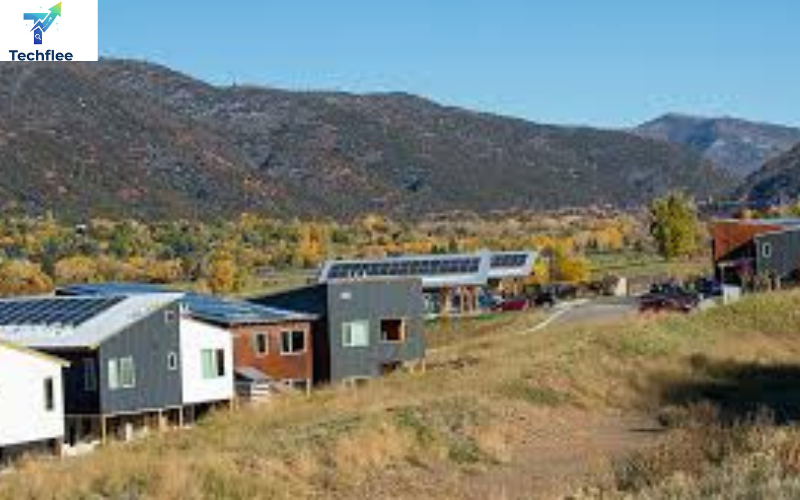
The pandemic heightened awareness of indoor air quality, natural light, and overall wellness in the home. Brookfield incorporated higher-efficiency filtration systems, antimicrobial surfaces, and better ventilation into new designs. Energy-efficient features and sustainable materials—already part of the company’s ethos—gained even greater emphasis as buyers sought resilient, healthy living environments.
Many communities now include enhanced outdoor amenities, walking trails, and community gardens that promote physical and mental well-being.
Recovery and Growth in the Post-Pandemic Era
By 2022, Brookfield Residential had fully restored operations and was capitalizing on strong housing demand. Record-low interest rates (until 2022 tightening), demographic trends, and persistent inventory shortages fueled robust sales. The company expanded its land positions at advantageous prices during the uncertainty of 2020–2021, setting the stage for sustained growth through 2025 and beyond.
Revenue and profitability now exceed pre-pandemic levels, reflecting both market tailwinds and internal improvements born from necessity.
Lessons Learned and Industry Influence
Brookfield Residential’s pandemic experience offers valuable insights for the entire homebuilding sector:
- Proactive safety protocols can enable essential work to continue responsibly.
- Digital tools are no longer optional—they are fundamental to modern home sales and operations.
- Flexibility in design and community planning better serves evolving buyer needs.
- Strong balance sheets and diversified strategies provide crucial stability in crises.
The company’s measured, people-first approach has been cited as a model by industry analysts and peers.
Innovation in Community Planning
Master-planned communities have incorporated broader health and connectivity features: wider sidewalks, dedicated bike lanes, community wellness centers, and high-speed internet infrastructure to support remote work. These enhancements reflect a deeper understanding of how homes and neighborhoods contribute to quality of life in uncertain times.
Preparing for Future Uncertainty
The pandemic reinforced the importance of resilience. Brookfield Residential now maintains larger liquidity reserves, more diversified supply chains, and scalable digital infrastructure. Scenario planning and crisis response frameworks developed in 2020 remain active, ensuring readiness for future disruptions—whether health-related, economic, or environmental.
Continued Commitment to Customers and Communities
Even as the acute phase of the pandemic receded, Brookfield maintained heightened cleaning standards, flexible appointment policies, and virtual options. Customer feedback consistently highlights appreciation for the transparency and care shown during the most challenging periods.
Looking Ahead: A Stronger Future Built on Pandemic Lessons
As of late 2025, Brookfield Residential stands as a more agile, innovative, and customer-focused organization than before the crisis. The challenges of COVID-19 accelerated positive changes—digital adoption, health-conscious design, operational efficiency—that will benefit homeowners and communities for decades.
The company continues to expand thoughtfully, emphasizing sustainable growth, inclusive communities, and homes designed for modern life.
View Also: Mattigan Twain Warrior: Family Roots, Wiki Tables And More Info
FAQs
How did Brookfield Residential protect workers and customers during the height of the pandemic?
The company implemented strict safety protocols including mandatory PPE, daily health screenings, physical distancing on sites, enhanced sanitation, and virtual sales options. These measures kept infection rates very low while allowing essential work to continue.
Did the pandemic significantly affect Brookfield Residential’s financial performance?
Yes, there were short-term revenue declines in 2020 due to restrictions and market uncertainty. However, strong liquidity, cost management, and a rapid sales rebound led to full recovery by 2021 and record performance in subsequent years.
What lasting changes did the pandemic bring to Brookfield Residential’s homes and communities?
New designs now prioritize indoor air quality, flexible workspaces, touchless features, and enhanced outdoor amenities. Digital sales and customization tools have become permanent fixtures, and community planning emphasizes health, connectivity, and resilience.
Conclusion:
The coronavirus pandemic tested Brookfield Residential like never before, but the company’s response—rooted in safety, innovation, and community values—turned adversity into advancement. From protecting employees on the front lines to reimagining how homes are designed, sold, and experienced, Brookfield emerged not just intact but improved.
Five years later, the lessons of 2020 continue to shape better homes and stronger communities. Brookfield Residential’s journey through the crisis stands as a powerful example of how thoughtful leadership and adaptability can transform challenges into lasting progress in the homebuilding industry.