
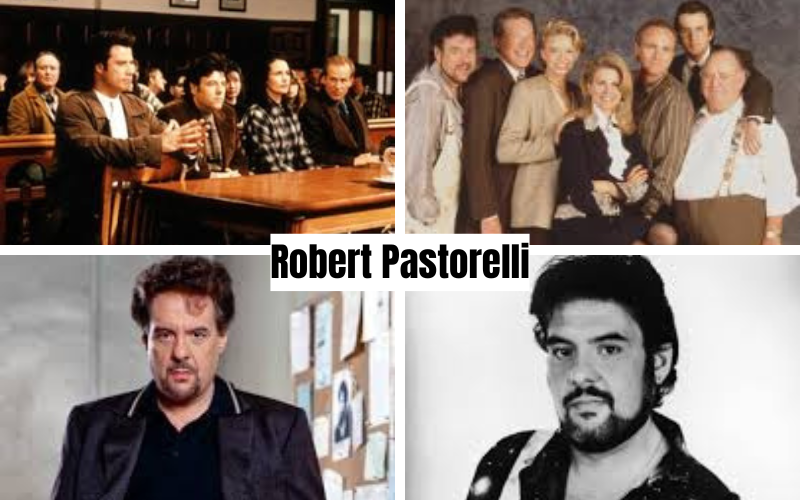
Robert Joseph Pastorelli, born on June 21, 1954, in New Brunswick, New Jersey, emerged as one of Hollywood’s most memorable character actors, blending rugged toughness with unexpected warmth and humor. Raised in nearby Edison, New Jersey, by his father Ledo, an insurance salesman, and his mother Dorothy, an artist, Pastorelli grew up with dreams far removed from the spotlight. As a teenager, he pursued boxing with serious ambition, training rigorously and envisioning a professional career in the ring. However, a devastating high-speed car accident at age 19 shattered those plans, leaving him with severe injuries and prompting a profound life reassessment. He later described experiencing a near-death episode during recovery, where he reportedly viewed his own body from above as his grieving father stood bedside—a transformative moment that steered him toward the arts.
Overcoming earlier struggles, including a battle with drug addiction that he candidly acknowledged, Pastorelli cleaned up his life and immersed himself in theater during the late 1970s in New York City. After studying at the New York Academy of Theatrical Arts and the Actors Studio, he made his stage debut in 1977 with a production of Rebel Without a Cause. He honed his craft in classic plays like The Rainmaker, Death of a Salesman, Bus Stop, and One Flew Over the Cuckoo’s Nest, supporting himself through odd jobs including bartending. His beefy build and streetwise New Jersey accent naturally lent itself to tough-guy roles, evoking the gritty charm of earlier actors like William Bendix.
In 1982, Pastorelli relocated to Los Angeles, quickly landing guest spots on popular shows such as Barney Miller, Hill Street Blues, Miami Vice, and The A-Team. His film debut came with supporting roles in comedies like Outrageous Fortune (1987) and the iconic Beverly Hills Cop II (1987), where he played a memorable hoodlum opposite Eddie Murphy. A breakthrough arrived in 1990 with Kevin Costner’s Oscar-winning epic Dances with Wolves, portraying the rough frontiersman Timmons.
Yet, it was television that catapulted him to widespread fame. From 1988 to 1994, Pastorelli starred as the eccentric house painter Eldin Bernecky on the hit CBS sitcom Murphy Brown, opposite Candice Bergen. Eldin, with his philosophical quips, artistic pretensions, and endless delays in finishing Murphy’s townhouse renovations (later becoming her nanny), became a fan favorite, providing comic relief and heart amid the show’s sharp satire. The role earned Pastorelli acclaim for his impeccable timing and ability to humanize quirky characters.
Building on this success, he transitioned to more diverse film parts, including a chilling serial killer in Striking Distance (1993), roles in Sister Act 2: Back in the Habit (1993), Arnold Schwarzenegger’s Eraser (1996), and John Travolta’s angelic comedy Michael (1996). He led short-lived series like Double Rush (1995) and the intense drama Cracker (1997-1999), showcasing his range beyond comedy. Later highlights included a stage performance in London’s A Streetcar Named Desire (2002) alongside Glenn Close. Pastorelli’s career exemplified resilience, turning personal hardships into authentic, relatable performances that endeared him to audiences across genres.
Related Post: Mateo Leto Jared’s Forgotten Half-Brother Story
Early Life: From Boxing Dreams to a Pivotal Turning Point
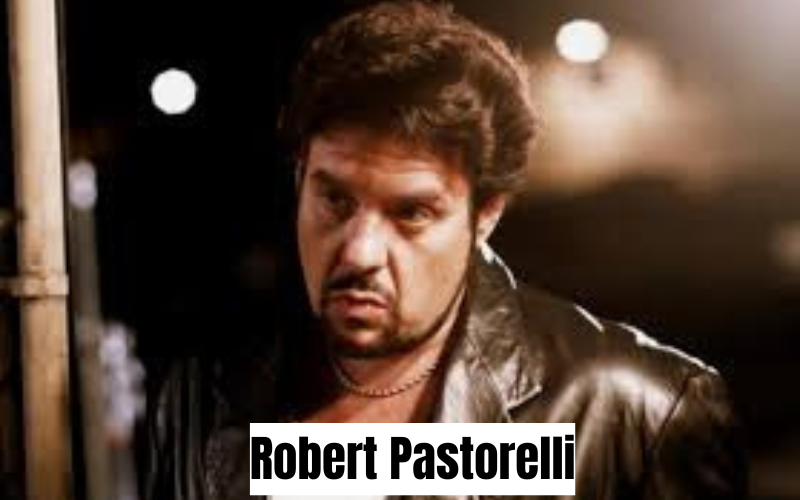
Robert Joseph Pastorelli entered the world on June 21, 1954, in New Brunswick, New Jersey, a town that embodied the working-class grit he would later channel into his performances. Born to Ledo “Tally” Pastorelli, an insurance salesman who provided a steady foundation, and Dorothy “Dottie” Pastorelli, a creative artist whose influence might have sparked his interest in performing, Robert grew up in a household that valued hard work and expression. His sister, Gwen Pastorelli, carved her own path as an opera singer and real estate agent, adding a layer of artistic flair to the family dynamic. The Pastorellis were of Albanian descent, which perhaps contributed to the robust, no-nonsense persona Robert would adopt.
Raised in Edison, New Jersey, young Robert was full of energy, channeling it into sports and physical pursuits. He attended Edison High School, graduating in 1972, where his athletic prowess shone brightest in boxing. Pastorelli dreamed of going pro, training with the determination of a future champion. But life had other plans. On his 19th birthday, a horrific car accident shattered those ambitions. The crash was so severe that Pastorelli later recounted a near-death experience—he felt himself floating above his body, watching his father grieve at his bedside. This profound moment forced a reevaluation of his path. “I saw myself from the outside,” he once shared, a tale that underscored his spiritual side amid the toughness.
The accident sidelined him from boxing, but it opened doors to new possibilities. In his early twenties, Pastorelli grappled with a heroin addiction, a dark period that tested his resolve. Yet, he cleaned up his act, crediting the discipline from his boxing days and a desire for something more meaningful. This recovery phase marked the beginning of his pivot to acting. He moved toward theater, studying at the New York Academy of Theatrical Arts and immersing himself in the Actors Studio method-acting world. To make ends meet, he bartended and even worked as a male exotic dancer—humbling gigs that honed his stage presence and resilience.
Pastorelli’s theater debut came in 1977 with a production of Rebel Without a Cause, a fitting start for a young man rebelling against his own fate. He followed with off-Broadway roles in classics like The Rainmaker, Death of a Salesman, Bus Stop, and One Flew Over the Cuckoo’s Nest. These stages were his proving grounds, where he developed the rough-hewn charm that would define his career. Critics noted his ability to infuse blue-collar authenticity into characters, drawing from his own life experiences. By the early 1980s, with theater credits under his belt, Pastorelli set his sights on Hollywood, relocating to Los Angeles in 1982.
| Personal Information Table |
| Full Name |
| Birth Date |
| Birth Place |
| Death Date |
| Parents |
| Siblings |
| Education |
| Early Career Interests |
| Notable Early Challenge |
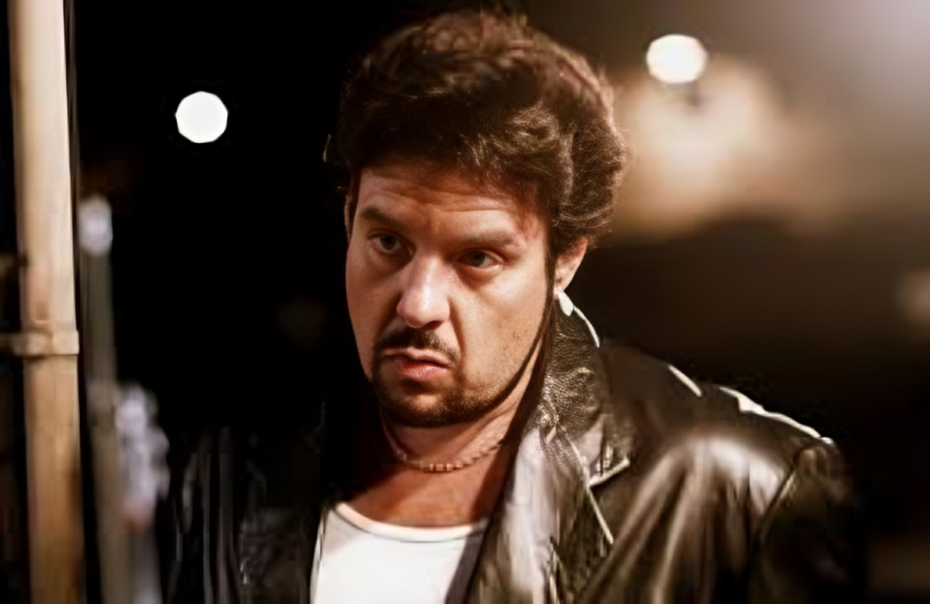
Breaking into Hollywood: Theater Roots and Early TV Gigs
Pastorelli’s transition from New York stages to Hollywood wasn’t seamless, but his theater background gave him an edge. In the early 1980s, he hustled for bit parts in TV commercials and guest spots, building a resume that showcased his versatility. His film debut came with small roles in movies like I Married a Centerfold (1984) and California Girls (1985), where he played supporting characters that hinted at his potential as a scene-stealer. These early appearances were gritty, often portraying tough guys or wiseguys, roles that leveraged his imposing physique and street-smart demeanor.
Television became his foothold. He appeared in episodes of shows like Miami Vice as Vespa, a goon in the episode “Down for the Count,” showcasing his ability to embody seedy underworld figures. Other credits included Lady Mobster (1988) and pilots like Braker (1985). Pastorelli’s big break arrived in 1988 when he landed the role of Eldin Bernecky on Murphy Brown. Producer Diane English saw something special in him during auditions—a mix of gruffness and heart that perfectly complemented the show’s sharp wit. Eldin wasn’t just a painter; he was Murphy’s confidant, dropping philosophical gems between brush strokes and life advice. Pastorelli appeared in 158 episodes across seven seasons, becoming a fan favorite for his eccentric charm and impeccable comic timing.
The role of Eldin transformed Pastorelli’s career. On Murphy Brown, he wasn’t the lead, but his presence lit up scenes. Eldin renovated Murphy’s apartment endlessly, symbolizing the chaos and creativity of her life. Fans loved his one-liners, delivered with a Brooklyn-esque accent that felt authentic. Pastorelli drew from his own blue-collar roots, making Eldin relatable. The show’s success—multiple Emmys and cultural impact—elevated him, leading to his own sitcom, Double Rush (1995), where he played a motorcycle messenger. Though it lasted only one season, it proved his leading-man potential.
His theater passion didn’t fade. Later, he performed in London’s Royal National Theatre in A Streetcar Named Desire (2002) and co-founded the Garden State Film Festival, bridging his East Coast roots with West Coast fame. These endeavors showed Pastorelli’s commitment to the craft beyond Hollywood’s glare.
Related Post: Melia McEnery : Net Worth, Early Life, Full Biography, Wiki/Bio Tables
Film Career: From Supporting Roles to Memorable Antagonists
While TV defined Pastorelli, films showcased his range. His breakthrough in cinema came with Beverly Hills Cop II (1987), playing Vinnie, a henchman to the villain, opposite Eddie Murphy’s Axel Foley. The action-comedy highlighted his physicality and timing in high-stakes chases. Soon after, Outrageous Fortune (1987) and Memories of Me (1988) followed, with Pastorelli as “Al Broccoli,” a nod to his Italianate features.
The 1990s brought stardom. In Kevin Costner’s epic Dances with Wolves (1990), he played Timmons, a rugged frontiersman whose grizzled wisdom added levity to the Western. Critics praised his authentic portrayal of the era’s roughnecks. Then came Sister Act 2: Back in the Habit (1993), where as Mr. Crisp, the gym teacher, he brought humor to Whoopi Goldberg’s nun-turned-music-mentor story, energizing scenes with his boisterous energy. But it was Striking Distance (1993) that let him unleash a darker side—as Jimmy Detillo, a serial killer cousin to Bruce Willis’s cop, Pastorelli delivered a chilling performance that earned raves for its intensity.
Mid-90s hits included Eraser (1996) as Johnny C., Arnold Schwarzenegger’s ally in a high-tech thriller, and Michael (1996) as Huey Driscoll, one of the quirky investigators in the John Travolta angel comedy. These roles cemented Pastorelli as Hollywood’s reliable tough guy with heart. Later films like A Simple Wish (1997), Bait (2000), and posthumous Be Cool (2005) showed his continued demand, even as personal issues loomed.
Pastorelli’s film work often featured him in ensemble casts, where his larger-than-life presence balanced stars like Schwarzenegger or Travolta. He brought street cred to blockbusters, making characters like Johnny C. memorable for their loyalty and grit. His ability to shift from comedy to drama—think the whimsical Michael versus the menacing Striking Distance—highlighted his underrated talent.
| Selected Filmography Table |
| Year |
| 1987 |
| 1990 |
| 1993 |
| 1993 |
| 1996 |
| 1996 |
| 1997 |
| 2005 |
Television Beyond Murphy Brown: Sitcoms, Dramas, and Guest Spots
Post-Murphy Brown, Pastorelli tackled diverse TV fare. Double Rush (1995) starred him as Flynn Walker, a laid-back delivery service owner, blending action and laughs in a short-lived CBS series. His lead role demonstrated comedic chops, though network woes ended it prematurely. Then, Cracker (1997-1999), the U.S. adaptation of the British crime drama, cast him as Gerry “Fitz” Fitzgerald, a brilliant but flawed criminal psychologist. Pastorelli’s portrayal of Fitz’s addiction struggles mirrored his own past, adding raw authenticity that critics lauded.
Guest appearances kept him visible: Touched by an Angel, Hack, and Women vs. Men. In 2001, he shone in TV movies like Rodgers & Hammerstein’s South Pacific as Luther Billis and The Ballad of Lucy Whipple with Glenn Close. These roles often featured him as the comic relief or moral anchor, leveraging his everyman appeal. Pastorelli’s TV legacy is one of consistency, appearing in numerous projects that spanned sitcoms to thrillers.
Awards and Recognition: Emmy Nod and Critical Acclaim
Pastorelli’s talent earned him a Primetime Emmy nomination in 1995 for Outstanding Guest Actor in a Comedy Series, for his Murphy Brown episode “Bye, Bye Bernecky,” where Eldin bids farewell. Though he didn’t win, the nod affirmed his impact. He also received Los Angeles Drama Critics Circle honors for theater work. Fans and peers remembered him for stealing scenes, with co-stars like Candice Bergen praising his warmth.
Related Post: Rockabye: Net Woth, Life, Career, Full Bio And More Info
Personal Life: Love, Family, and Tragic Losses
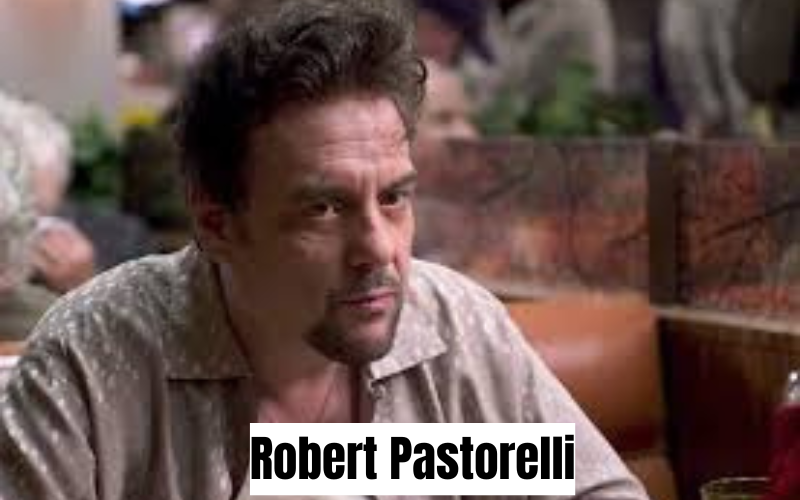
Pastorelli’s off-screen life was as tumultuous as some roles. He had two daughters: Gianna Li Pastorelli (born February 6, 1998) with partner Charemon Jonovich, and Gia Pastorelli (born March 6, 2000) with Jalee Carder. Fatherhood brought joy; photos show him doting on Gianna at Central Park and events. But tragedy struck in 1999 when Jonovich died from a self-inflicted gunshot wound during an argument at home. The coroner ruled it undetermined—suicide or accident—exonerating Pastorelli but scarring him deeply. The incident halted his career momentum, amid whispers of foul play that tabloids sensationalized.
His history with addiction resurfaced post-tragedy. Pastorelli had overcome heroin in his youth but relapsed, a battle he kept private. Friends noted his depression, yet he persisted in work, founding festivals and mentoring young actors. His family, including sister Gwen, supported him through it all.
The Tragic End: Overdose and Lasting Questions
On March 8, 2004, Pastorelli was found dead at 49 in his Hollywood Hills home, slumped in the bathroom with a syringe nearby. The coroner confirmed an accidental narcotics overdose—morphine and cocaine toxicity. Despite warnings from authorities about his habit, the relapse proved fatal. He was buried in Sea Girt, New Jersey’s Saint Catharine’s Cemetery. Tributes poured in, with Murphy Brown creator Diane English calling him “irreplaceable.” His death echoed Hollywood’s darker side, reminding us of addiction’s grip.
Legacy: Why Robert Pastorelli Still Matters
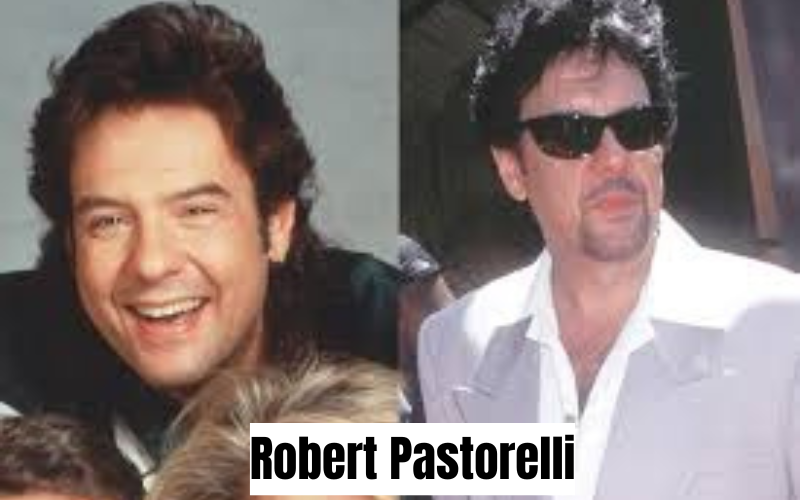
Pastorelli’s influence lingers in character acting, inspiring portrayals of flawed yet lovable tough guys. Reruns of Murphy Brown keep Eldin alive, and his films endure on streaming. Daughters Gia and Gianna carry his name, with Gia pursuing acting. Documentaries and fan discussions highlight his underappreciated talent. In a town of glamour, Pastorelli was the authentic voice of the streets, proving heart trumps polish.
ASLO VIEW : Tom Mothersdale: Acclaimed British Stage and Screen Actor
Conclusion
Robert Pastorelli’s life and career, cut short at age 49, remain a poignant testament to talent intertwined with tragedy. Following his peak in the 1990s, personal turmoil cast a long shadow. In March 1999, his girlfriend Charemon Jonovich died from a gunshot wound at his Hollywood home. Pastorelli maintained it was a suicide during an argument, and though initially ruled undetermined (investigated as accident or suicide), he was exonerated with no charges filed. The incident, however, severely impacted his professional momentum, leading to fewer roles despite industry sympathy.
In his final years, Pastorelli continued working selectively, appearing in TV movies like South Pacific (2001) and small film parts, while returning to theater. He completed his last role as a hitman in Be Cool (2005), reuniting with John Travolta from Michael—a fitting bookend to his filmography of tough-yet-vulnerable characters. Tragically, on March 8, 2004, Pastorelli was found dead in his Hollywood Hills bathroom by his assistant, with a syringe in his arm. The coroner ruled it an accidental heroin overdose, linked to a fatal morphine concentration, resurfacing his past struggles with addiction.
Pastorelli left behind two daughters: Gianna from his relationship with Jonovich, and Giannina from his longtime partner Jalee Carder. His death occurred amid reports of a reopened investigation into Jonovich’s case, though no formal suspicions were leveled against him before his passing. Colleagues remembered him fondly as a dedicated professional—director F. Gary Gray called him “a true professional and a total delight”—highlighting the warmth beneath his gruff exterior.
Ultimately, Pastorelli’s legacy endures through iconic performances that captured the essence of blue-collar authenticity in an industry often dominated by gloss. From the wise-cracking Eldin dispensing life advice on Murphy Brown to memorable supporting turns in blockbusters, he brought depth and relatability to every role. His journey—from aspiring boxer derailed by fate, to overcoming addiction for theatrical pursuit, to stardom and back to personal demons—mirrors the raw humanity he portrayed on screen. Though his story ended prematurely and amid sorrow, Robert Pastorelli’s contributions to comedy, drama, and character acting continue to entertain and resonate, reminding us of the fragile line between triumph and tribulation in the pursuit of art.
FAQS
Who was Robert Pastorelli best known for?
Robert Pastorelli is best known for playing Eldin Bernecky, the quirky house painter on the sitcom Murphy Brown from 1988 to 1994.
How did Robert Pastorelli die?
He died on March 8, 2004, from an accidental narcotics overdose at his Hollywood Hills home.
Did Robert Pastorelli win any awards?
He received a Primetime Emmy nomination in 1995 for Outstanding Guest Actor in a Comedy Series for Murphy Brown, but did not win.
What were some of Robert Pastorelli’s notable films?
Key films include Dances with Wolves (1990), Eraser (1996), and Michael (1996), where he played memorable supporting roles.
What was Robert Pastorelli’s early career like?
Before Hollywood, he was an aspiring boxer derailed by a car accident, then pursued theater in New York with roles in Death of a Salesman and other plays.