
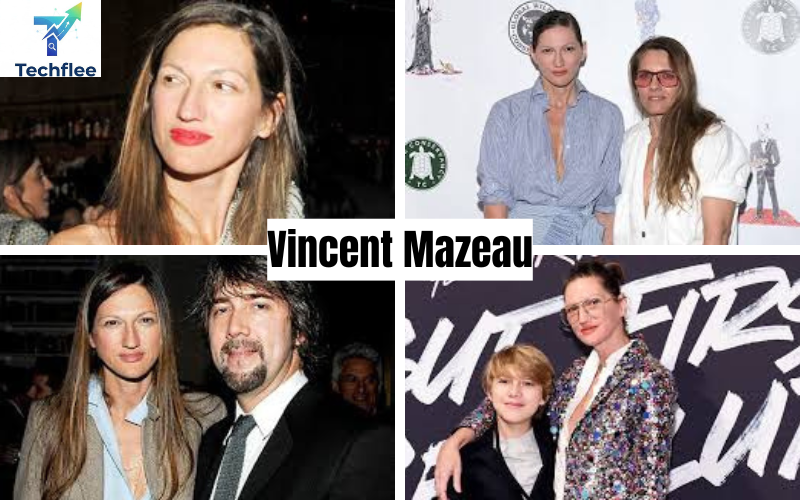
Vincent Mazeau’s name may not be on every billboard, but for those who know art, fashion, or Brooklyn’s food scene, he’s a hidden gem. Born on January 22, 1965, in New York City, Mazeau grew up surrounded by the city’s creative pulse. From a young age, he saw the world differently, turning everyday objects into art. His journey took him from crafting sculptures in galleries like the Whitney to designing sets for Vogue, and later, co-founding Cherry Point, a beloved Brooklyn restaurant. This is the story of a man who redefined creativity, weaving art, family, and food into a remarkable life.
Related Post: Bart Millard: From Broken Boy to “I Can Only Imagine”
Early Days and Artistic Roots
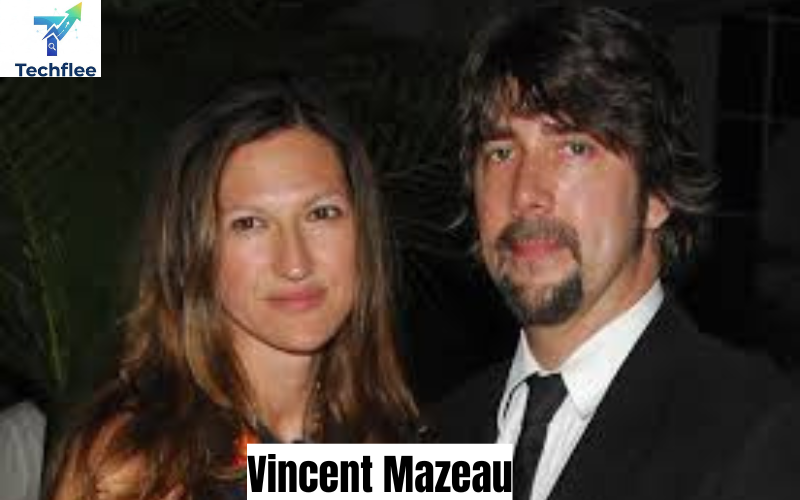
Vincent Mazeau was born and raised in New York, a city that hums with inspiration. As a kid, he was drawn to the textures and chaos of urban life – think graffiti-covered walls and bustling galleries. While he keeps his personal life private, those who knew him say he was always tinkering, seeing potential in the ordinary. This spark led him to pursue art seriously.
In 1987, Mazeau earned a Bachelor of Fine Arts from Long Island University’s C.W. Post Campus. There, he sharpened his skills in sculpture, learning to transform materials like wood and metal into meaningful forms. But it was his Master’s of Fine Arts from Yale University in 1995 that changed everything. Yale’s intense environment pushed him to experiment with minimalism and abstract forms, using materials like styrofoam and urethane. His time there wasn’t just about technique – it was about finding his voice in a competitive art world.
At Yale, Mazeau explored how objects interact with space, a theme that defined his early work. After graduating, he jumped into New York’s art scene, ready to make waves. He also co-founded Big Room, an art direction company with Yale friends, blending fine art with real-world projects. This mix of creativity and hustle set the stage for his diverse career.
Making Waves as an Artist
In the late 1990s and early 2000s, Vincent Mazeau became a name to watch in contemporary art. His sculptures turned simple materials into powerful statements. Picture small basswood figures in “Crowd” (2005), painted to suggest people lost in a city, or “The Castle” (2005), a towering pine and styrofoam piece stained with oil, evoking both strength and fragility. His work often tackled big ideas – isolation, community, and the beauty of the everyday.
Mazeau’s big break came in 1999 with “Greater New York” at MoMA PS1, a show that spotlighted new talent. He also joined group exhibitions like “Odyssey: Post Pop & The New Generation” (1998) at Greene Naftali Gallery and “I Hate Movies” (1998) at Andrew Kreps Gallery. In 2002, he designed an immersive sound room for the Whitney Biennial, merging sculpture with audio art. By 2005, he landed a solo show at Lehmann Maupin, showcasing pieces like “Double Blind,” small urethane works that played with how we see scale and space.
His art popped up in other notable shows: “Evil/Exit” (2003) at Marianne Boesky Gallery, “All About Evil” (2004) at the Rubin Museum, and “Make It Now: New Sculpture in New York” (2005) at SculptureCenter. Critics loved his knack for turning humble materials into thought-provoking pieces, often comparing him to artists like Rachel Whiteread for his minimalist edge. While not a household name, Mazeau’s work left a mark on those who saw it, sparking conversations about space and form.
Related Post: Elizabeth Sandler: Pioneer of Trauma-Informed Justice
Vincent’s Major Art Shows
Here’s a look at some of the exhibitions that shaped Mazeau’s career, presented in a way that feels like flipping through a gallery guestbook:
- 1996: Cathode Ray Clinic #1, Apex Art, New York – A group show where Mazeau’s early work started turning heads.
- 1998: Odyssey: Post Pop & The New Generation, Greene Naftali Gallery, New York – Group exhibit showcasing his bold, minimalist style.
- 1998: I Hate Movies, Andrew Kreps Gallery, New York – Another group show, blending humor and critique.
- 1999: Greater New York, MoMA PS1, Long Island City – A breakout moment among emerging artists.
- 2002: Whitney Biennial, Whitney Museum, New York – Designed an architectural sound room, blending art and tech.
- 2003: Evil/Exit, Marianne Boesky Gallery, New York – Group show exploring darker themes.
- 2004: All About Evil, Rubin Museum of Art, New York – Continued his exploration of moody, ambient art.
- 2004: Nothing Compared to This, Contemporary Arts Center, Cincinnati – Showcased his growing influence.
- 2005: Solo Exhibition, Lehmann Maupin, New York – His first solo show, a major milestone.
- 2005: Make It Now: New Sculpture, SculptureCenter, Long Island City – Cemented his place in New York’s sculpture scene.
Crossing into Fashion: Set Design Star
Mazeau didn’t stop at galleries. Through Big Room, he dove into fashion set design, working with photography legends like Richard Avedon, Steven Klein, and Steven Meisel. His sets appeared in Italian Vogue, American Vogue, W Magazine, and campaigns for brands like Yves Saint Laurent, Alexander McQueen, and Calvin Klein. Just like his sculptures, his sets were thoughtful – minimalist yet striking, turning photo shoots into art.
Imagine a stark white backdrop for a McQueen campaign or a dreamy, abstract set for Vogue. Mazeau brought his sculptor’s eye to these projects, making environments that told stories. He also dipped into film, contributing to the art department for the 1998 comedy “Safe Men.” This mix of art and commerce showed his ability to adapt, turning fleeting moments into lasting visuals.
Related Post: Kalani Rodgers: Comedy Queen and Unapologetic Black Excellence
Fashion Collaborations That Defined an Era
Here’s a snapshot of Mazeau’s fashion work, like a mood board from a 2000s shoot:
- Richard Avedon: Crafted sets for iconic Vogue editorials.
- Steven Klein: Designed bold, edgy campaign backdrops.
- Steven Meisel: Created visuals for W Magazine and Italian Vogue.
- Yves Saint Laurent: Built sets for sleek, luxurious ads.
- Alexander McQueen: Brought drama to avant-garde campaigns.
- Dolce & Gabbana: Designed vibrant, story-driven sets.
- Calvin Klein: Crafted clean, modern looks for editorials.
Related Post: Stephanie Kurtzuba: Nebraska Fire on Scorsese’s Canvas
Family Life and a Big Decision
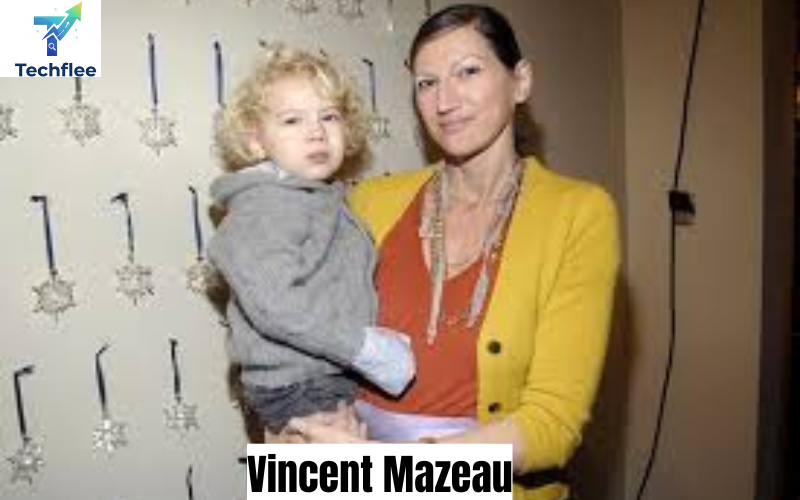
Vincent Mazeau’s personal life is just as compelling. In 1996, he started dating Jenna Lyons, who later became J.Crew’s creative director. They married in 2002 and welcomed their son, Beckett, around 2006. When Beckett was born, Mazeau made a bold choice: he stepped back from his career to be a full-time dad. With Lyons earning a hefty salary, they decided together that he’d focus on family. Mazeau kept his studio but poured his energy into raising Beckett, creating a stable home in their Brooklyn brownstone.
In 2011, Mazeau and Lyons divorced amicably, continuing to co-parent Beckett. They stayed in the same brownstone, putting their son first. Friends describe Mazeau as a devoted dad, always present for school pickups and bedtime stories. This chapter showed his heart – a man who valued family over fame, setting the stage for his next big leap.
Trading Paintbrushes for Pans: The Culinary Shift
Around 2011, Vincent Mazeau swapped his studio for a kitchen. He enrolled at the French Culinary Institute (now part of ICE), diving into the world of food with the same passion he brought to art. After graduating, he worked at the Michelin-starred Corton restaurant, where he met Chef Julian Colcott. Together with Garrett Smith, they opened Cherry Point in Brooklyn’s Greenpoint neighborhood.
Cherry Point isn’t just a restaurant – it’s a reflection of Mazeau’s creative soul. The menu, inspired by local ingredients and global flavors, feels like a sculpture on a plate. The cozy, artsy vibe of the space echoes his set design days, with thoughtful touches like soft lighting and rustic decor. Opening a restaurant in New York is no small feat, with challenges like funding and surviving the pandemic. But Mazeau’s experience running Big Room gave him the grit to make it work.
Cherry Point has become a Greenpoint favorite, a place where locals linger over cocktails and beautifully plated dishes. Mazeau’s journey from artist to restaurateur shows his knack for turning pivots into possibilities, proving that creativity knows no bounds.
Related Post: Jaclyn Smith: Timeless Grace of Hollywood’s Classiest Angel
Conclusion
Vincent Mazeau’s life is a masterclass in reinvention. From Yale’s art studios to the pages of Vogue to the heart of Brooklyn’s food scene, he’s shaped worlds with his hands and heart. His story reminds us that creativity isn’t confined to one medium – it’s a way of living, adapting, and finding beauty in the unexpected. As Cherry Point thrives and Mazeau continues to evolve, his legacy as a multifaceted creator only grows.
FAQs
Who is Vincent Mazeau?
Vincent Mazeau is a New York-born artist, set designer, and co-owner of Cherry Point restaurant in Brooklyn, known for his innovative sculptures and fashion work.
What did Vincent Mazeau study?
He earned a BFA from Long Island University in 1987 and an MFA in Sculpture from Yale University in 1995.
What are some of Vincent Mazeau’s key art exhibitions?
He showed at the Whitney Biennial (2002), had a solo exhibition at Lehmann Maupin (2005), and joined “Greater New York” at MoMA PS1 (1999).
How did Vincent Mazeau get into the restaurant business?
After studying at the French Culinary Institute and working at Corton, he co-founded Cherry Point with Julian Colcott and Garrett Smith.
Was Vincent Mazeau married?
Yes, he was married to Jenna Lyons from 2002 to 2011. They have a son, Beckett, and continue to co-parent.